
2nd Edition of Public Health World Conference (PHWC) 2026
Speakers - PHWC2026
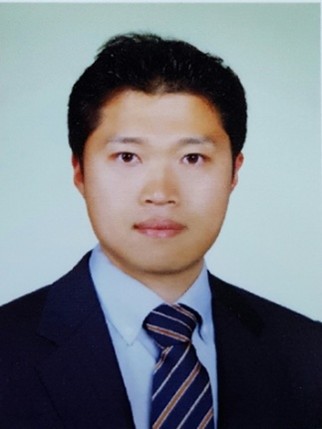
Jung Hun Yeum
Jung Hun Yeum
- Designation: Kangwon National University
- Country: Republic of Korea
- Title: A Pilot Application of an EEG Based Stress Reduction Index in Relation to Sensory Elements of Urban Parks
Abstract
In response to increasing levels of stress and mental health disorders in contemporary society, non-clinical nature-based services such as forest therapy, marine therapy, agricultural therapy, and garden therapy have gained growing attention. Furthermore, the concept of nature prescription, positioned within the framework of social prescribing, is being actively introduced. However, in South Korea, there remains a lack of foundational databases that can support the practical implementation of prescription-based approaches beyond the general concept of healing. In this context, electroencephalographic data collected across diverse environmental settings are expected to play a critical role in future applications. This study aimed to comprehensively analyze stress reduction tendencies based on electroencephalographic responses of university and graduate students to sensory stimuli in a children’s park, a representative type of urban park. In particular, this study sought to propose a pilot stress reduction index by integrating changes across different sensory elements.
The sample included 20 participants for visual stimuli, 27 for auditory stimuli, and 33 for olfactory stimuli. The stimuli consisted of visual elements including planting structure layers, auditory elements including bird sounds, wind sounds, and rainfall sounds, and olfactory elements including herbal aroma oils. The primary electroencephalographic indicators analyzed included relative alpha power associated with psychological stability and relaxation, relative beta power associated with concentration and tension, and relative high beta power associated with excessive tension and stress. For the development of the stress reduction index, only the electroencephalographic measures that showed an increase after stimulation were selectively utilized. The index was calculated based on the ratio of alpha to beta, which reflects the balance between relaxation and tension. Weighting factors were determined according to the proportional contribution of the mean increase in ratio values across sensory elements.
The results indicated that visual stimuli led to a decrease in relative alpha power and an increase in both beta and high beta power. In contrast, auditory and olfactory stimuli resulted in increased alpha power and decreased beta and high beta power. Analysis of ratio values showed that, for visual stimuli, pre stimulation values were slightly higher than post stimulation values, whereas the changes in auditory and olfactory stimuli were negative 0.496 and negative 0.249, respectively. Based on the increased electroencephalographic measures, the derived weights for each sensory modality were 0.18 for visual, 0.47 for auditory, and 0.35 for olfactory stimuli. These were integrated to present a pilot stress reduction index considering both individual and combined sensory effects.
This study highlights the potential of electroencephalographic approaches for quantifying stress reduction in urban park environments. Future research should focus on refining weighting schemes and index models through the continuous accumulation of electroencephalographic datasets. Additionally, providing park users with information on sustained therapeutic effects may contribute to enhancing park functionality and promoting active utilization.
2nd Edition of Public Health World Conference (PHWC) 2026
About PHWC 2026
The 2nd Edition of&n ...
Read More>>
Organizer
